

Neighbourhood
Talat Noi: The Old Quarter at the End of the Creative District
The city publishes Charoen Krung and Talat Noi as one route, and exploring them together gives useful context for both neighbourhoods. Talat Noi is the older, tighter, less curated half.
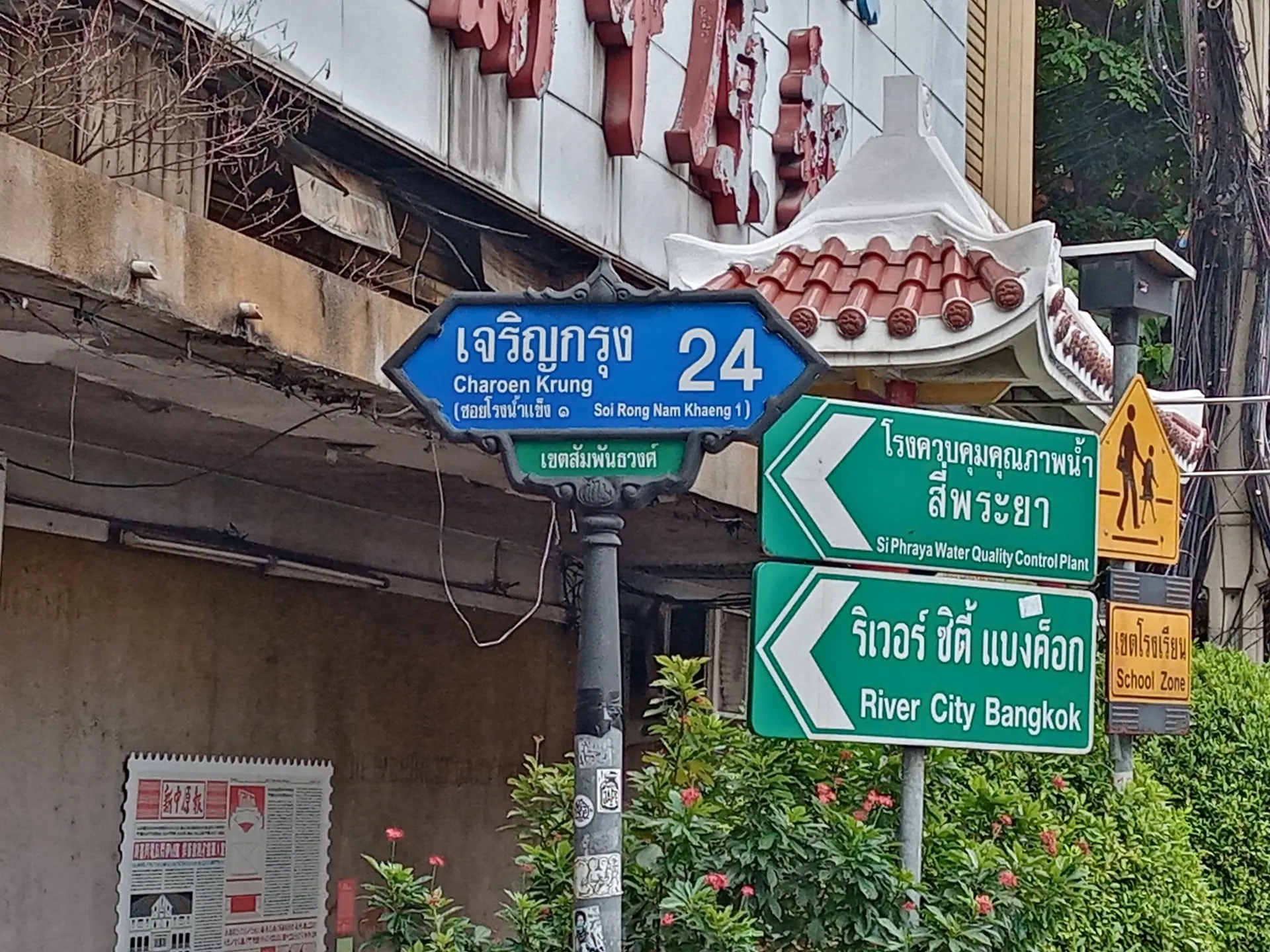
Talat Noi is what the Charoen Krung corridor looks like before anyone converts it. It sits at the northern end of the same route the city publishes as a heritage walk, on the edge where Bang Rak gives way to the older Chinese quarter, and it is one of the densest few blocks in central Bangkok.
What it actually is
It is a working quarter, and the work is specific: second-hand engine parts, marine and automotive salvage, metal. Lanes are barely wide enough for a motorcycle. Between the workshops sit Chinese shrines, a handful of very old houses, and courtyards you can walk into without realising you have left the street.
Two things follow from that. It photographs extremely well, which is why it appears on a lot of itineraries. And it is somebody’s workplace, which is why the way you walk it matters more here than in most of the city.
Why to walk it with Charoen Krung, not instead of it
The city authority publishes the two together as one route, and that is the right instinct. Charoen Krung shows you the corridor after investment: galleries, converted warehouses, a design centre in a government building. Talat Noi shows you the same corridor without it. Walked in sequence, each explains the other. Walked alone, Talat Noi is just a picturesque alley system.
- Talat Noi
- Tight lanes, workshops, shrines, old courtyard houses. The least altered end.
- Mid-corridor
- Converted warehouses and galleries along and just off Charoen Krung.
- The design centre
- The Grand Postal Building, the anchor the tourism authority names for the creative district.
- The Bang Rak end
- Cathedral, mosque, shophouses, and the piers behind them.
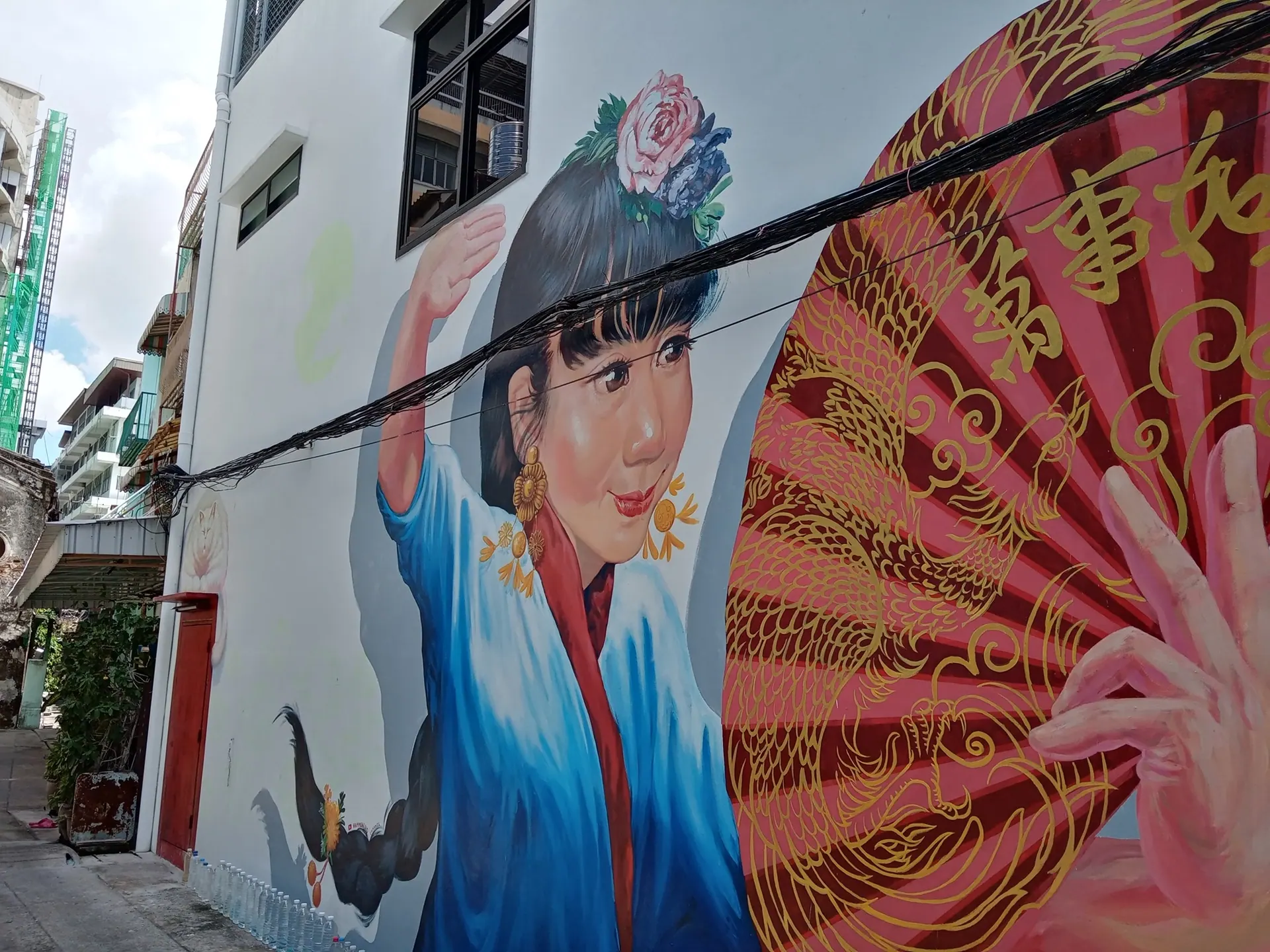
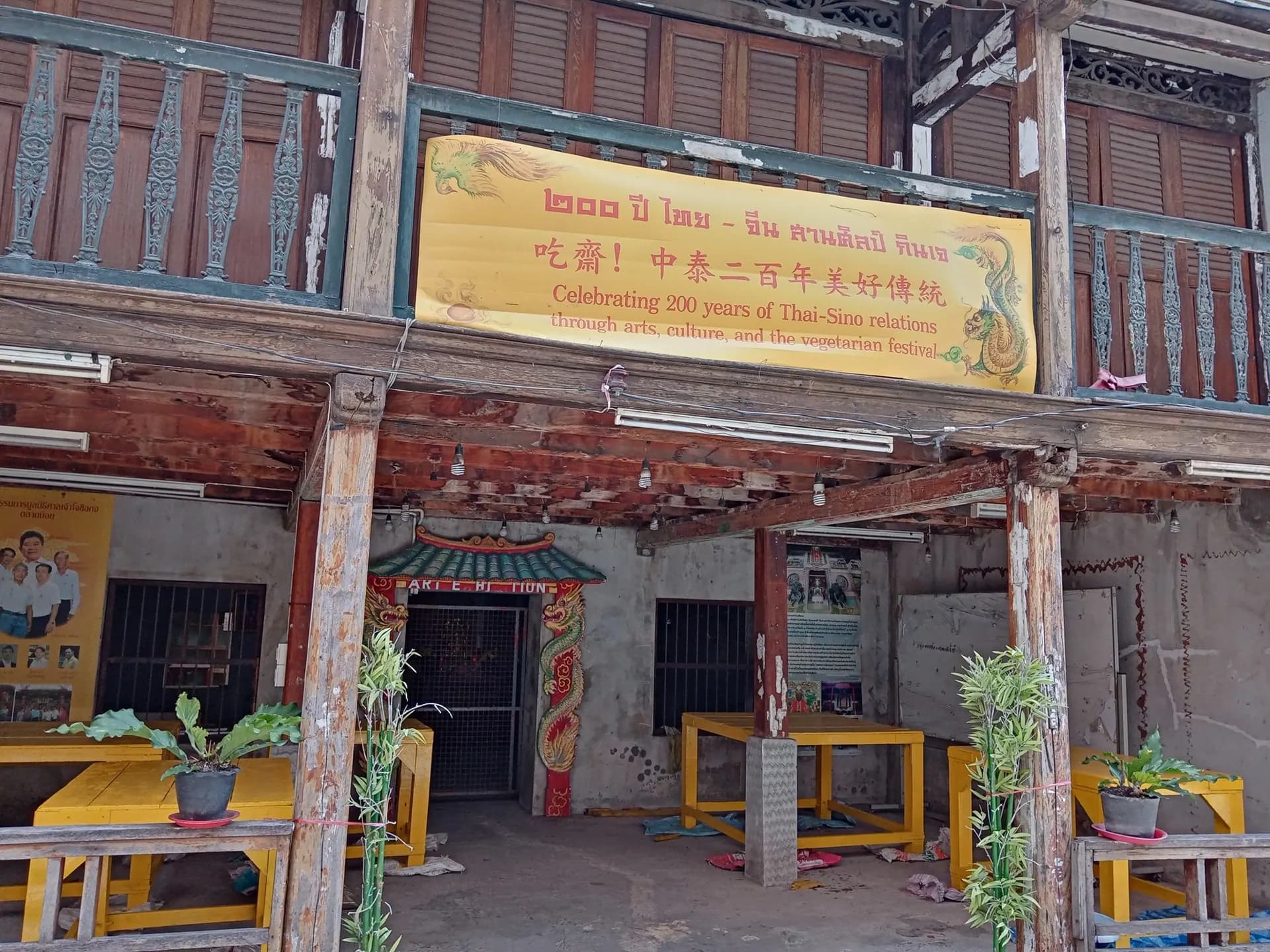
Getting there
It is a walk from the Bang Rak end of Charoen Krung — that is the recommended approach, because arriving on foot along the corridor is the point. By water, note one current constraint: the commuter boat operator lists Oriental Pier (N1) as closed for renovation, so do not plan a river arrival around it. We publish no fares or timetables here; the operators change both without notice and their own pages are the only version worth trusting on the day.
How to walk it without being a nuisance
This is the part most guides leave out. The lanes are private-adjacent: people are working, eating and living within a metre of where you are standing. A few things make the difference between a visitor and an intrusion.
- Ask before photographing people or the inside of a workshop. Most will say yes; the asking is the point.
- Do not block a lane. If a motorcycle needs through, it needs through immediately.
- Shrines are in use. Treat them as places of worship rather than photo compositions.
- Weekday mornings are the quarter at work; that is the honest version of it, but it is also when you are most in the way.
Sources and fact review
Every claim below is traceable to a named source. Items marked volatile — opening hours, fares, routes and exhibition schedules — change without notice and are rechecked before publication rather than presented as permanent.
The Bangkok city authority publishes Charoen Krung–Talat Noi as a single designated walking route.
The tourism authority’s account of the Charoen Krung corridor, its converted warehouses and its street art.
Scheduled commuter boats run on the river under flag-coded lines. Oriental Pier (N1) is currently listed by the operator as out of service for renovation.