
Where to Stay
Bang Rak or Chinatown: Which Old Bangkok Suits Your Trip
They share a corridor, a century and a river. What separates them is rail access, evening intensity and how much of the day happens indoors.
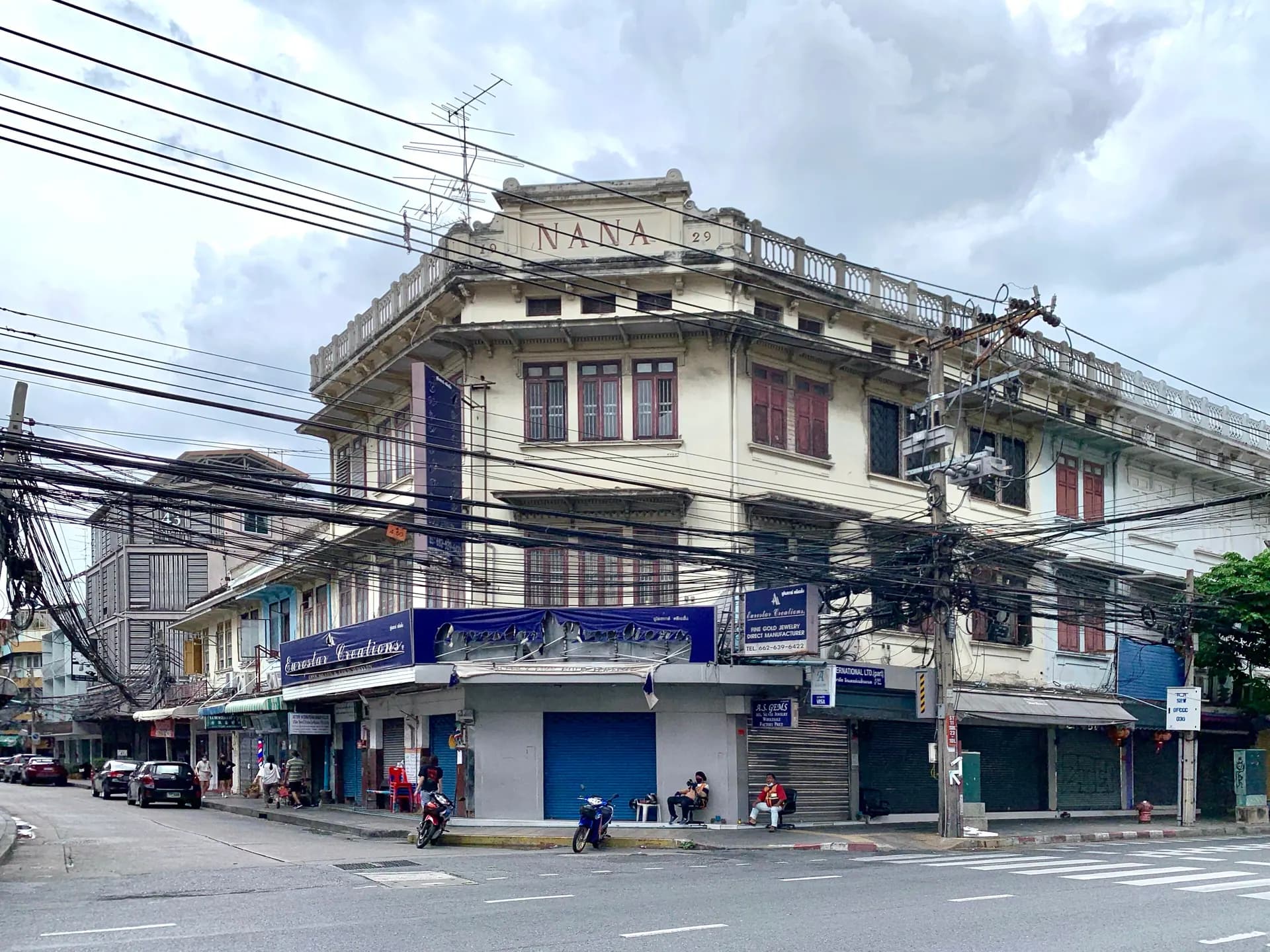
These two get offered as alternatives constantly, and the comparison is fair: they are adjacent, both are old Bangkok, both sit on the eastern bank, and the corridor the city publishes as a heritage walk runs from one into the other. If you are choosing between them you are choosing between two versions of the same idea.
The differences that actually affect a stay are narrower than the guides suggest, and they are not about which is more authentic.
The difference that matters most: rail
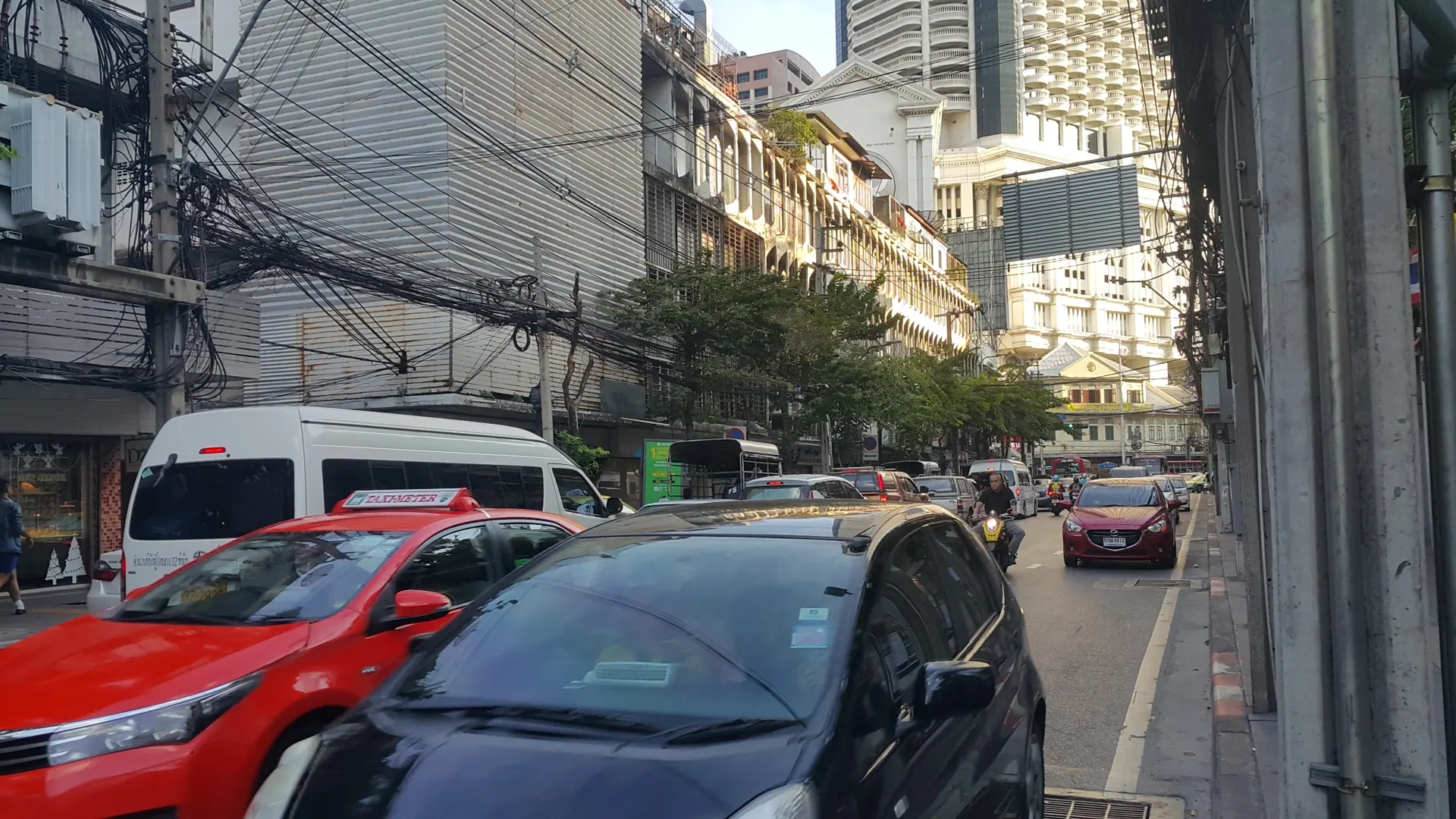
Bang Rak sits on the BTS Silom Line, which reaches the river at Saphan Taksin. Chinatown does not sit on that line. That single fact shapes most of the practical difference between staying in one or the other: how easily you leave the district, how late you can get back, and how much of your trip is spent arranging transport rather than taking it.
This is not a claim that Chinatown is hard to reach. It is a claim that the two districts have different default modes, and that if your trip involves moving around the city daily, the district with the through-line makes fewer decisions for you.
- Rail
- Bang Rak is on the BTS Silom Line; Saphan Taksin is its river-end station. Chinatown is not on that line.
- River
- Both are on the river, and commuter boats connect points along it. Sathorn, in Bang Rak, is where several lines terminate.
- Evenings
- Chinatown’s evening is its main event and it is loud. Bang Rak’s evening is quieter and more dispersed.
- Daytime
- Bang Rak spreads across heritage, creative and trade streets. Chinatown concentrates.
Evenings are the real character difference
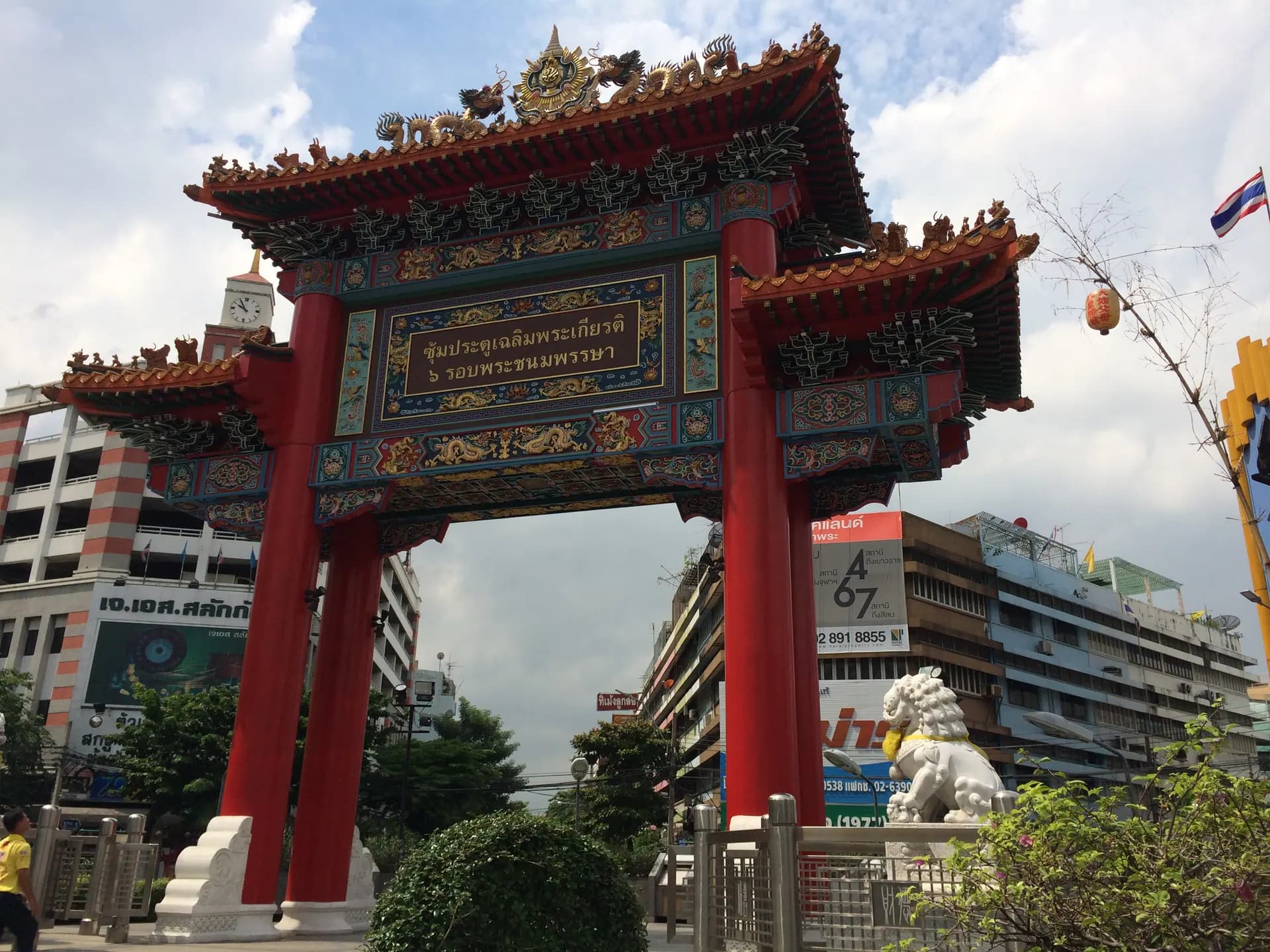
Chinatown at night is one of the most intense street environments in the city, and that is the reason to stay there. It is also the reason not to. The noise does not stop early, and it is not the kind of noise a window closes out.
Bang Rak’s evening is diffuse: some of it is on Charoen Krung, some is inland towards Silom, some is on the water. If you want an evening you can opt into and out of, that is the difference.
They are walkable to each other
Worth saying, because it changes the decision: the two districts adjoin. The corridor the city publishes as a heritage route runs from the Bang Rak end up through Talat Noi towards the Chinese quarter. Staying in one does not exclude the other from your trip — it just decides which one you sleep in.
Who each one suits
- Choose Chinatown if the evening street life is the point of your trip, you sleep well through noise, and you are content to plan transport around a district without a through rail line.
- Choose Bang Rak if you want a rail line and a pier within the district, a quieter night, and a daytime that spreads across several different kinds of street.
- Choose either if your priority is being in old Bangkok rather than in a modern commercial district — on that axis they genuinely are alternatives.
What we are not telling you
No journey times, no distances, no fares. Walking times between these districts depend on route, heat and how often you stop, and we would be inventing precision we cannot source. The transport operators publish current fares and timetables; they change them, and their pages are the only version worth trusting on the day you travel.
Sources and fact review
Every claim below is traceable to a named source. Items marked volatile — opening hours, fares, routes and exhibition schedules — change without notice and are rechecked before publication rather than presented as permanent.
The BTS Silom Line runs through Bang Rak and reaches the river at Saphan Taksin. Chinatown is not on this line.
Scheduled commuter boats connect points along the river under flag-coded lines, several terminating at Sathorn.
The city publishes Charoen Krung–Talat Noi as one walking corridor, which is the seam where the two districts meet.