
Where to Stay
Is Bang Rak a Good Area to Stay in Bangkok?
Two very different neighbourhoods share this name, and most guides answer for the wrong one. Here is how to tell which Bang Rak you are being sold, and which one suits your trip.
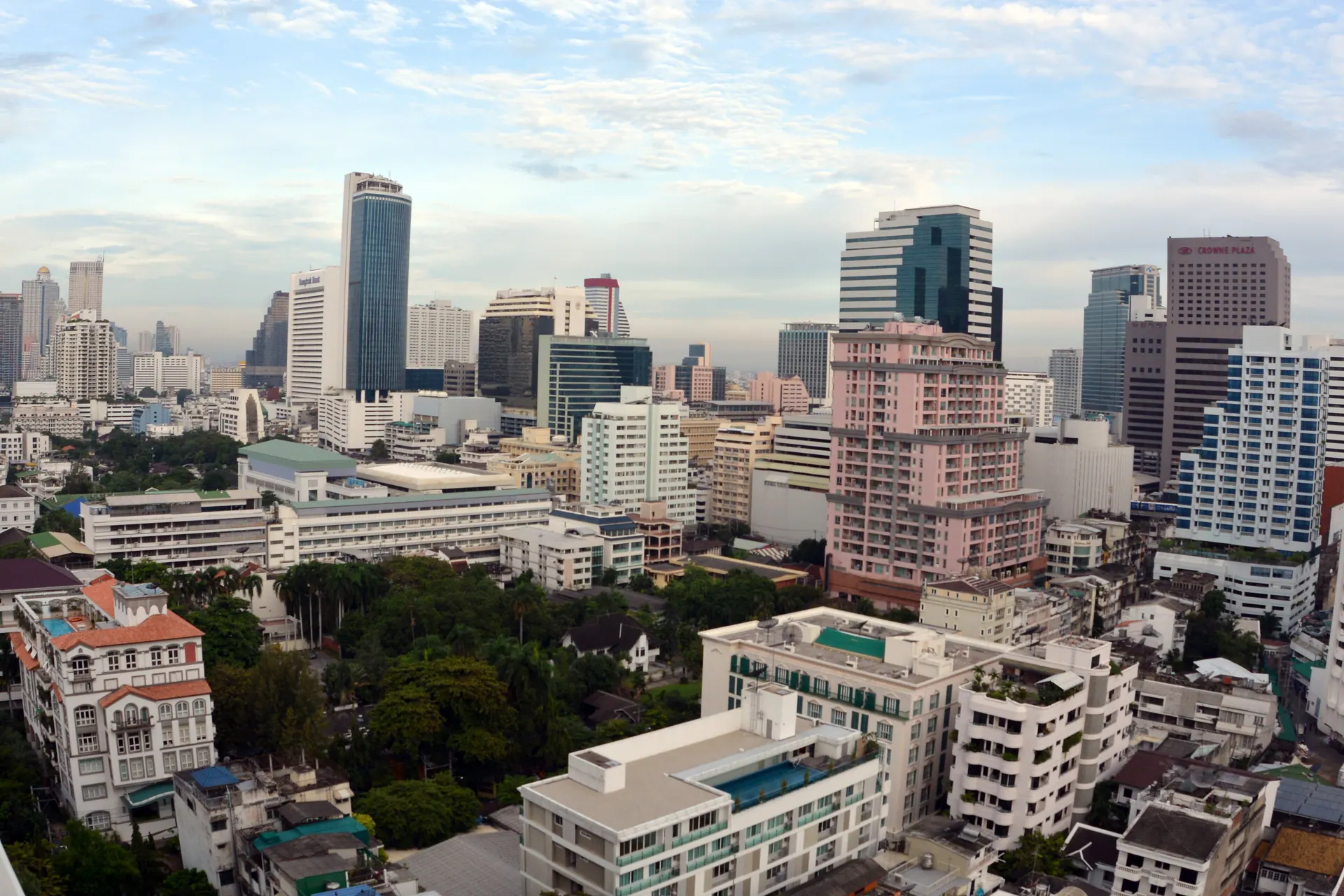
Bang Rak is a good area to stay in Bangkok if you want to be near the Chao Phraya, walk between the places you visit, and accept a district that is residential and commercial rather than built around tourism. It is a poor choice if your itinerary is anchored to the Grand Palace, Chatuchak or Sukhumvit's nightlife. But that answer is incomplete on its own, because the name covers two neighbourhoods that feel almost nothing alike — and which one a listing means is rarely stated.
First, work out which Bang Rak you are looking at
Bang Rak is one of Bangkok's fifty administrative districts. As an address it covers a large area of the lower city, and that area includes Silom Road — the financial spine — as well as the older streets running down toward the river along Charoen Krung. Postally, a Silom skyscraper and a shophouse near the water are both in Bang Rak.
In conversation, Thai residents rarely use the word that way. Places on Silom Road are called Silom. Places on Sathorn Road are called Sathorn. "Bang Rak" is generally reserved for the riverside end — the older trading streets near Charoen Krung and Si Phraya. Travel publishers frequently collapse the two, which is why one guide can call Bang Rak a business district full of towers and rooftop bars, and another can call it a quiet historic quarter, and neither is lying.
- Silom (inside Bang Rak district)
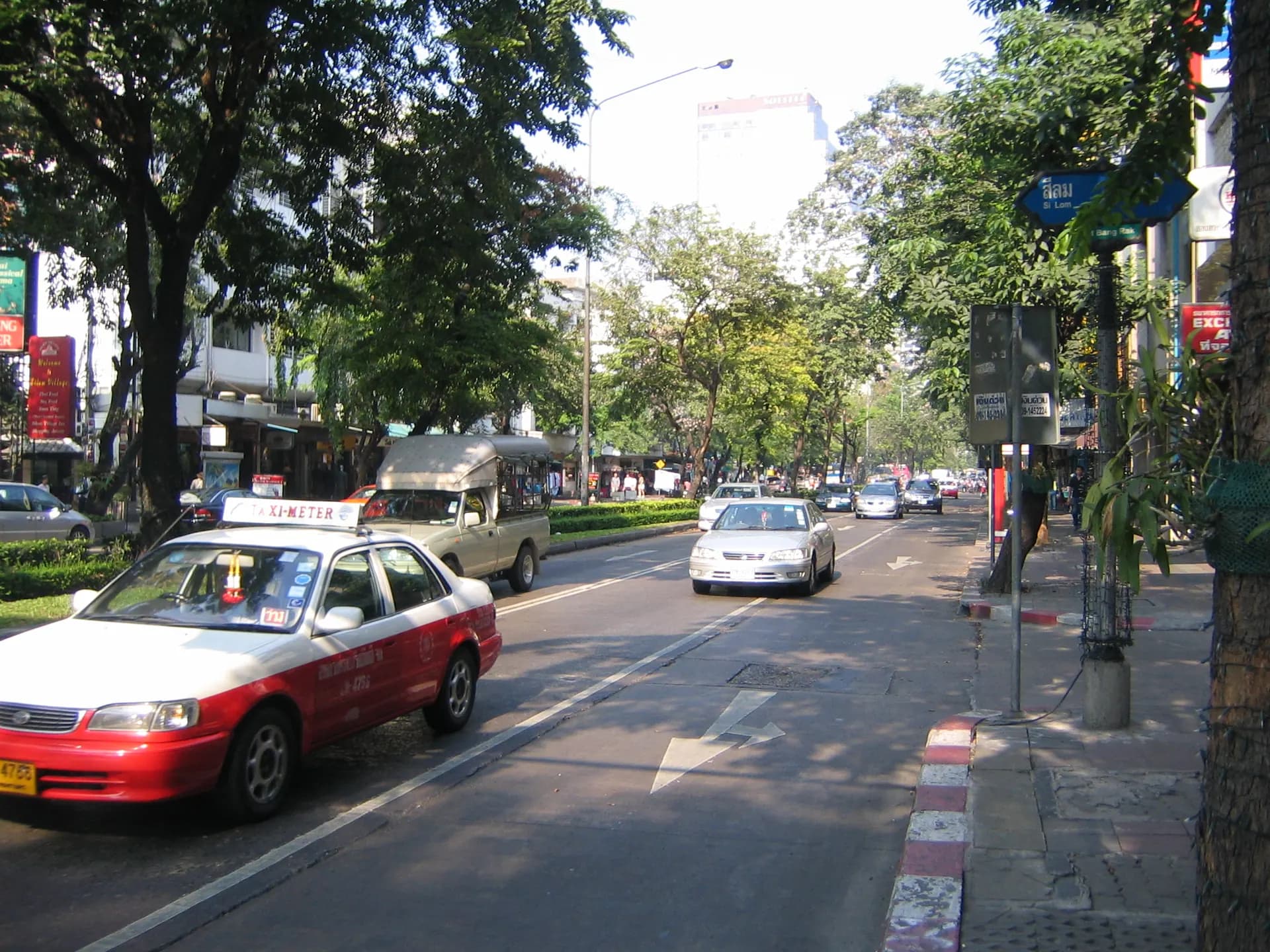
- Offices, banks, large hotels, night markets and the densest transit access in the area — BTS and MRT both serve it. Busy, vertical, and loud after dark near Patpong and Soi Convent.
- Riverside Bang Rak (what locals usually mean)
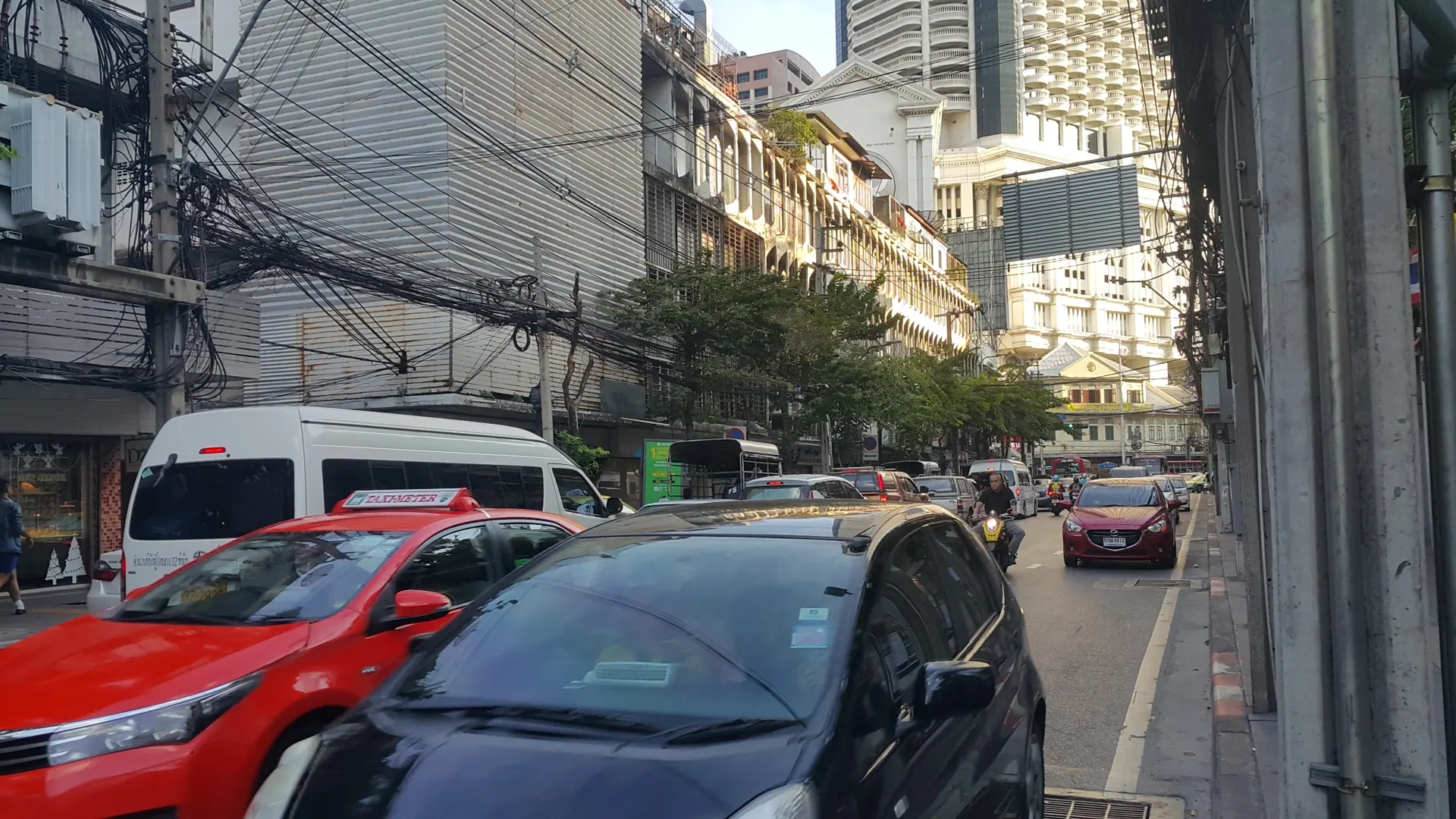
- The older quarter toward the Chao Phraya along Charoen Krung: shophouses, places of worship from several faiths, small workshops, riverside hotels and the Creative District. Lower-rise, slower, and oriented to the water.
- Where they meet
- There is no line on the ground. The character changes gradually as you move west from Silom toward the river, which is why a single "Bang Rak" verdict is unreliable.
This matters commercially. When a booking site shows you "hotels in Bang Rak", it is filtering by the administrative district, so the results mix both neighbourhoods. Read the map pin, not the area label.
Who riverside Bang Rak suits
The riverside end rewards a particular kind of traveller, and it is worth being specific rather than listing virtues.
- Repeat visitors to Bangkok. If you have already done the Grand Palace and Wat Pho, a district organised around ordinary working life is a better second or third trip than another tourist quarter.
- Travellers who want to walk. The old street grid is fine-grained and largely flat, and the density of things worth stopping for is high.
- Anyone using the river as transport rather than as a view. The Chao Phraya is a working waterway with scheduled boat services, and staying near it changes how you move.
- Architecture, design and food travellers. The Creative District along Charoen Krung sits here, and so does a long multicultural history you can actually see in the buildings.
- People who dislike resort districts. There is no strip. The neighbourhood is not arranged for visitors, which is most of its appeal.
Who should look elsewhere
A guide that cannot name its own trade-offs is not much use. Bang Rak is genuinely the wrong choice for several common trips.
- First-time visitors on a short trip built around Rattanakosin. The Grand Palace, Wat Pho and Wat Arun are upriver, and you will spend real time getting there and back each day.
- Travellers whose plans centre on Sukhumvit — the shopping malls, the international restaurant scene, the large nightlife district. That is a different side of the city entirely.
- Anyone who wants a pool-and-beach-club atmosphere. This is a dense urban district.
- Visitors relying exclusively on the BTS and MRT. Coverage at the riverside end is thinner than in Silom, and the practical answer is often a boat or a short taxi ride rather than a station.
- Light sleepers booking near Silom's entertainment streets. That is a specific few blocks, not the whole district, but it is worth checking on a map before booking.
How you actually move around
Bang Rak is one of the few central Bangkok districts where the rail network, the river and walking all genuinely compete, and the right answer changes by destination rather than by preference.
The rail connection
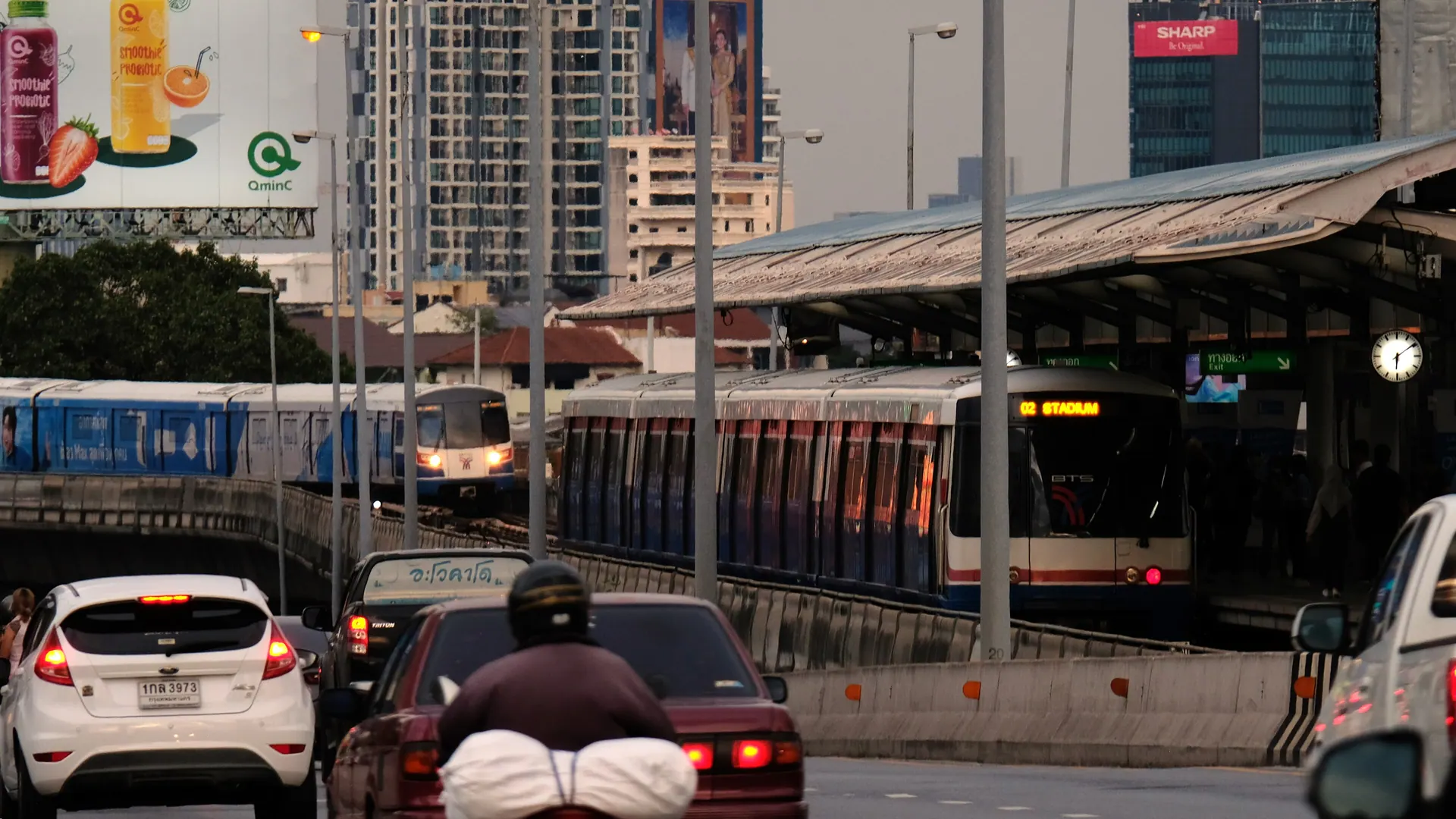
The BTS Skytrain's Silom Line serves the district, and Saphan Taksin station sits at the southern end near the river — it is the standard rail approach for the riverside quarter and the Creative District. Silom itself has both BTS and MRT, which is why the eastern half of the district is better connected by rail than the western half.
The river
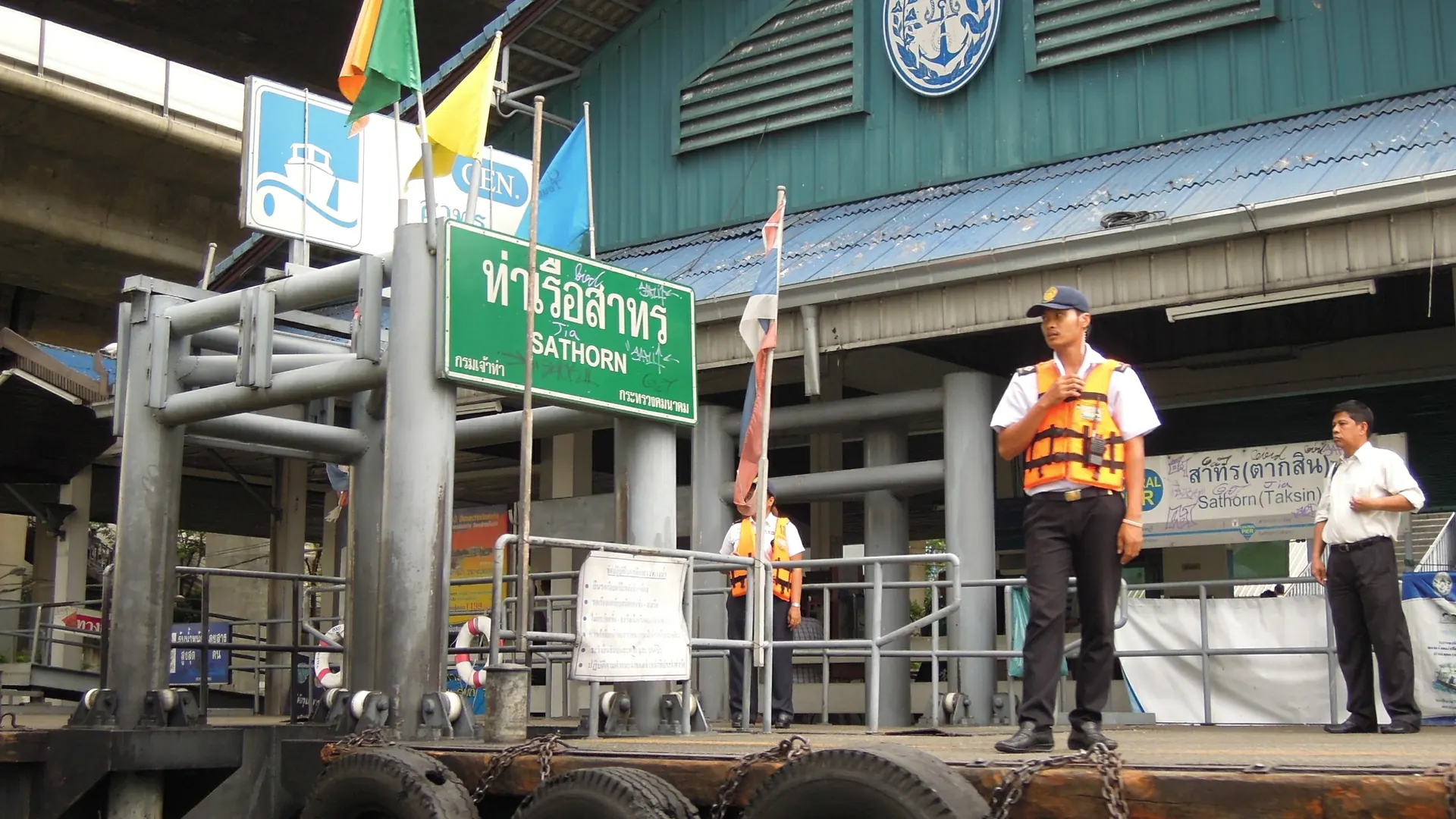
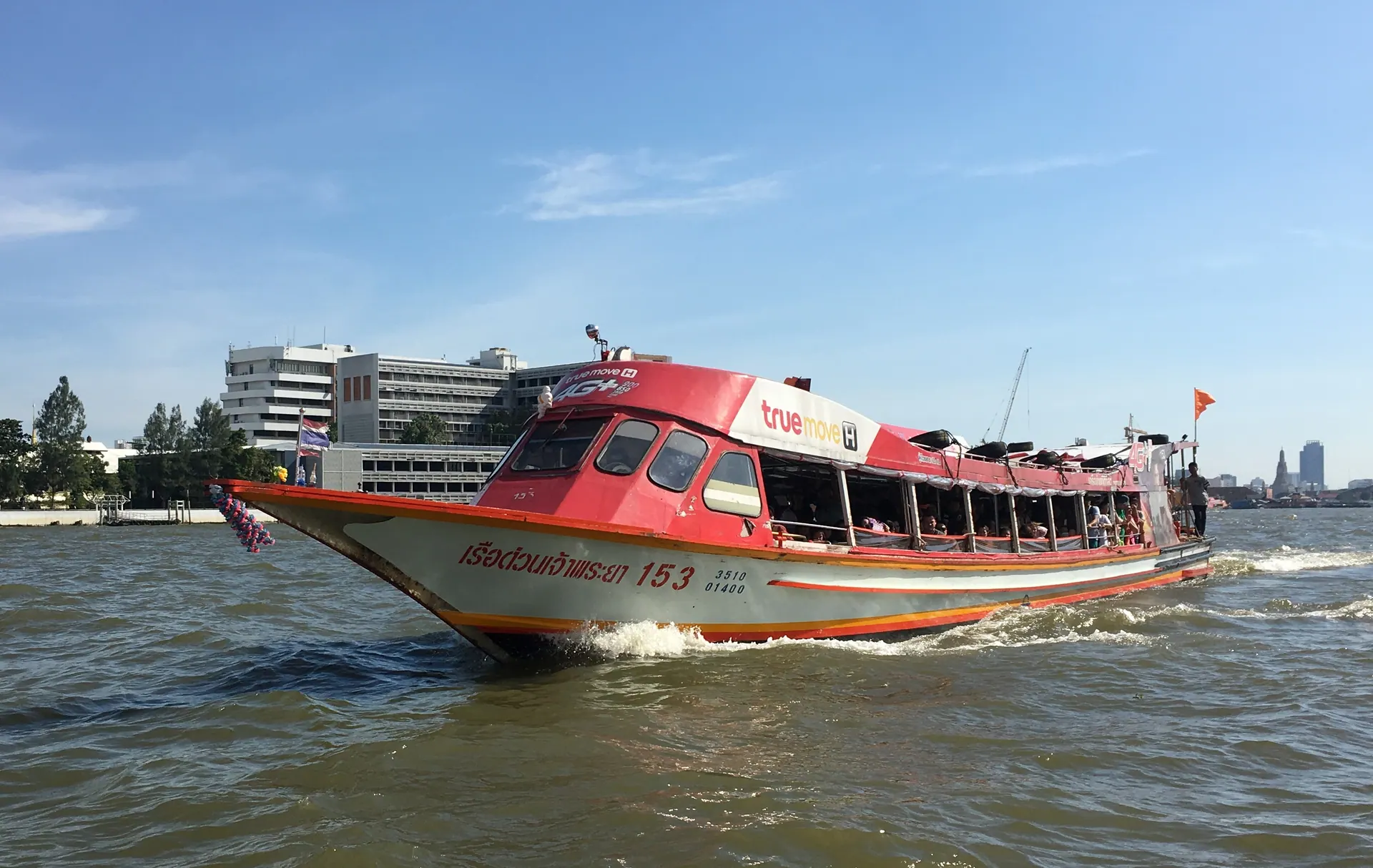
Scheduled boat services run along the Chao Phraya and connect this stretch of the city to Rattanakosin upriver and to the malls and hotels on the Thonburi bank. Routes, flag colours, operating hours and fares are set by the operators and change; treat any figure you read — including in older guides — as something to confirm on the day rather than plan around. We have deliberately not printed a timetable here.
On foot
Walking is the district's real advantage, with two honest caveats: pavements are uneven in places and often narrow, and Bangkok's heat and rainy season both shorten how far anyone actually wants to walk. Plan in short hops with somewhere to stop, rather than as one long route.
How it compares with the usual alternatives
- Choose Silom
- if you want maximum rail connectivity, a large choice of international hotels, and do not mind a business district that is busy by day and loud in parts by night.
- Choose riverside Bang Rak
- if you want the river, the older street fabric, the Creative District, and a walkable neighbourhood that is not organised around visitors.
- Choose Rattanakosin / the Old City
- if the historic temples and palaces are the trip, and you would rather walk to them than travel to them.
- Choose Sukhumvit
- if you want malls, a very large restaurant and bar scene, and long uninterrupted BTS coverage.
- A note on "Riverside"
- "Riverside" is a hospitality label, not a district. Hotels described that way sit on both banks and across several kilometres of river. Check the actual position before treating two "Riverside" hotels as comparable.
The verdict
Riverside Bang Rak is one of the better central Bangkok choices for a traveller who wants to live in the city for a few days rather than visit it — and one of the weaker choices for a first, short, monument-focused trip. If you are choosing between it and Silom, you are not really choosing between two districts; you are choosing which end of one district you want to wake up in.
Sources and fact review
Every claim below is traceable to a named source. Items marked volatile — opening hours, fares, routes and exhibition schedules — change without notice and are rechecked before publication rather than presented as permanent.
Charoen Krung is an old riverside neighbourhood, historically known for Chinese and Muslim street food and hotels, now also known as a "Creative District".
Scheduled passenger boat services operate on the Chao Phraya; routes, hours and fares are set by the operator and change.
The BTS Silom Line serves Saphan Taksin station at the river end of the district.
Travel publishers routinely present Silom and Bang Rak as one combined neighbourhood — evidence of the labelling overlap this guide explains, not a claim about the district itself.