
The Gem District
Why the Gem Trade Is in Bang Rak
Bangkok became a world centre for coloured stones because of cutting, grading and certification — not because of mines. Here is where that infrastructure physically sits.
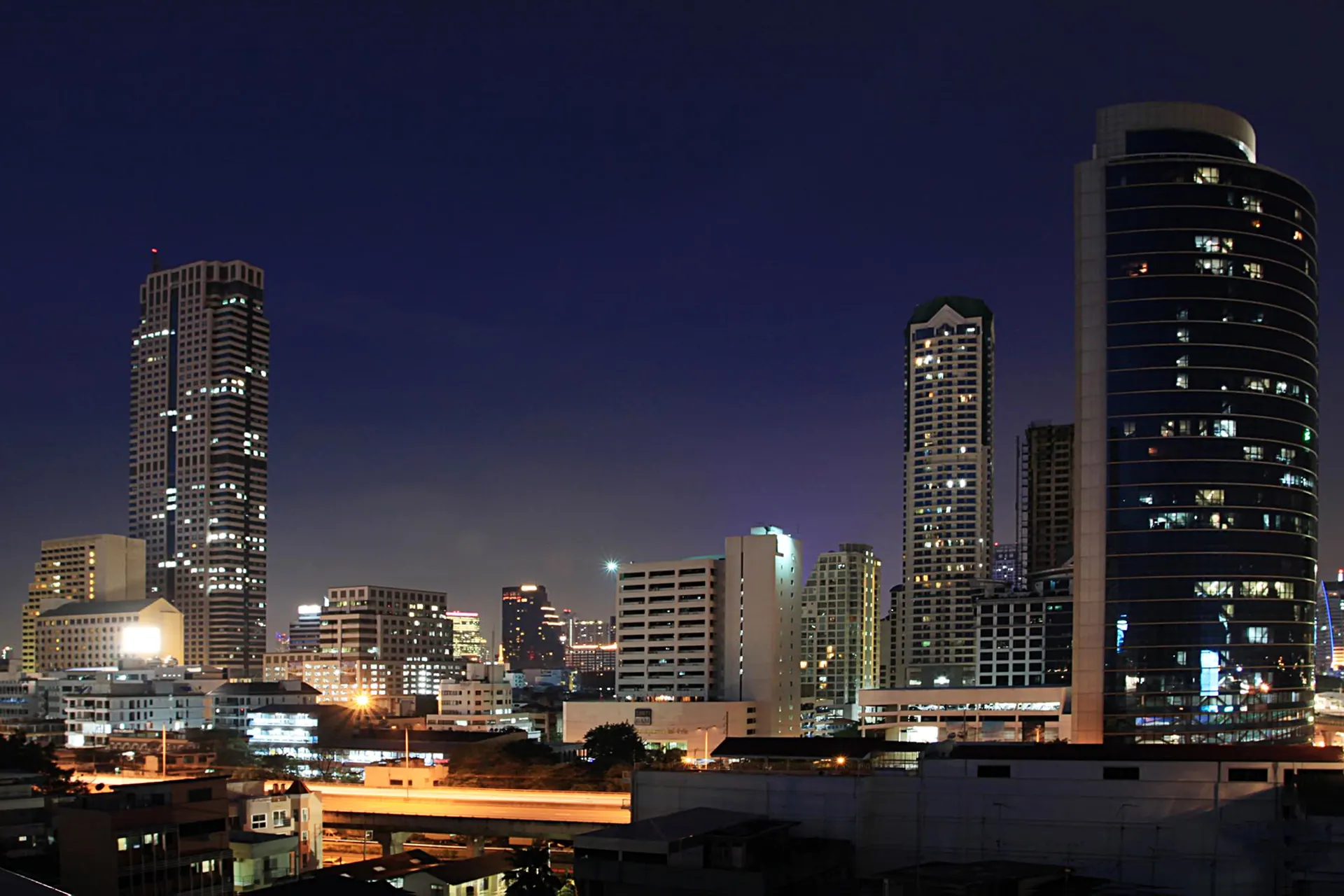
People are often surprised that Thailand is a gem capital, because Thailand is not, in any meaningful modern sense, a gem-mining country. The stones largely come from elsewhere. What happens here is everything that turns a rough stone into a traded one.
Three things a trading centre needs
A gemstone trade needs three kinds of infrastructure within walking distance of each other, and Bang Rak has all three.
- Cutting and treatment — the skilled work that determines what a stone is worth. Thailand’s reputation here is the original reason the trade concentrated.
- Laboratories — independent testing and certification. A coloured stone without a report is worth a fraction of the same stone with one.
- Teaching — gemmological schools that produce the graders, cutters and buyers the other two depend on.
Cluster those three and the traders follow, because the whole business runs on being able to walk a stone to a laboratory and back in an afternoon.
Where it physically sits
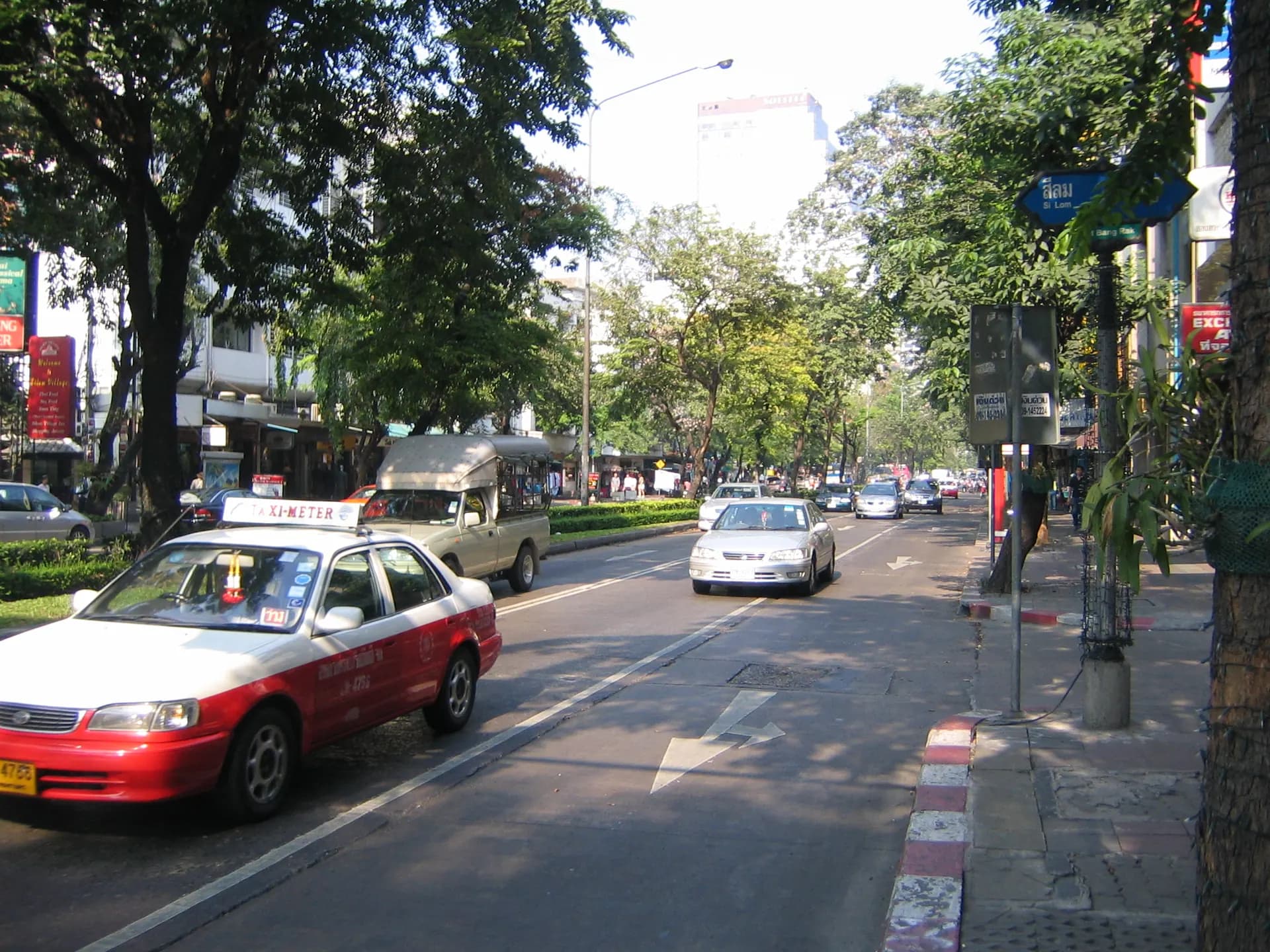
The clearest single marker is official. The Gem and Jewelry Institute of Thailand — a government public organisation, not a private firm — publishes its address in the ITF Tower on Silom Road, in Bang Rak. Thailand’s national gem institute is inside this district.
Around it sits the commercial side. The Jewelry Trade Center publishes its own Silom address and describes itself plainly as trade premises. AIGS, a laboratory and gemmological school, gives an address inside that building. An independent gemmological body records that Bangkok’s coloured-stone business and its schools cluster in Bang Rak around Silom and Mahesak.
- National institute
- The Gem and Jewelry Institute of Thailand, a government public organisation, on Silom Road in Bang Rak.
- Trade building
- The Jewelry Trade Center on Silom — offices and trade premises rather than a shopping centre.
- Laboratories and schools
- Testing and teaching in the same few blocks, including inside the trade building itself.
- The street trade
- Silom and the streets around Mahesak, where the day-to-day business of the district happens.
This is not a buying guide, deliberately
We do not tell visitors where to buy gemstones, what to pay, or how to judge a stone. Those are exactly the claims a hotel has no business making: they carry real financial risk for the reader, they change constantly, and we cannot verify them. If you intend to buy, the certification system described above exists precisely so that you need not rely on anybody’s guide — including ours.
What the hotel’s relationship to this actually is
Bangkok Gem Hotel is a jewelry-inspired hotel in the district where Bangkok’s gem trade is concentrated, and its rooms are named after gemstones. That is the whole of it. The hotel is not descended from jewellers, the building was not a gem business, the room names commemorate nobody, and no institutional relationship exists with any organisation named above. We say so plainly because a themed hotel writing about a real trade district should state where the theme stops.
Sources and fact review
Every claim below is traceable to a named source. Items marked volatile — opening hours, fares, routes and exhibition schedules — change without notice and are rechecked before publication rather than presented as permanent.
The Gem and Jewelry Institute of Thailand is a Thai government public organisation, and it publishes its address as the ITF Tower on Silom Road, Suriyawong, Bang Rak, Bangkok 10500 — inside the district.
Bangkok’s coloured-gemstone business and its gemmological schools are concentrated in Bang Rak, around Silom and Mahesak.
AIGS, a gemmological laboratory and school, publishes its own address inside the Jewelry Trade Center in the district.
The Jewelry Trade Center publishes its own Silom address and describes itself as trade premises.