
Where to Stay
Staying Near Bangkok's Creative District
A short guide to what proximity actually means here, why the distinction matters when you book, and what living beside a working design quarter is like.
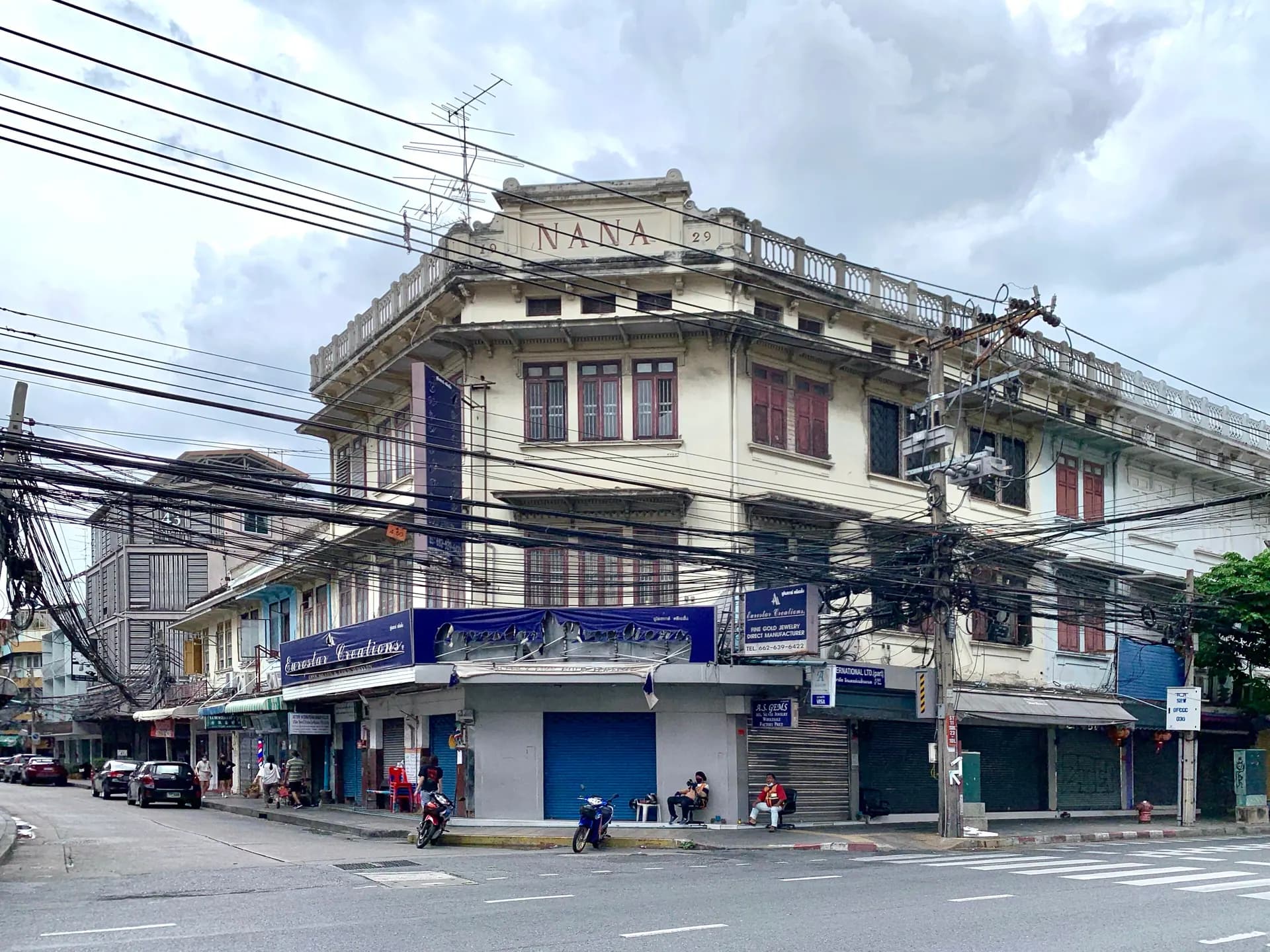
The creative district has no boundary you can book inside. It is a name for a stretch of Charoen Krung Road and the numbered sois running off it, and the Tourism Authority of Thailand places the cluster of galleries and art spaces within roughly a kilometre of the design centre. So "near the creative district" is only a useful phrase if you know which kilometre is meant — and a booking site will not tell you.
What "near" has to mean here
Charoen Krung is a long road that crosses several very different quarters. A property can be on Charoen Krung and be nowhere near the design institutions. The useful test is not the road name but the soi numbers: the tourism authority names Serindia Gallery in Soi 36, Warehouse 30 in Soi 30, Most Gallery in Soi 28 and the Soy Sauce Factory in Soi 24, which gives you a concrete span to check a location against.
If a property sits within or close to that range of side streets, it is genuinely in the district. If it is on Charoen Krung but several kilometres north or south, it is on the same road and in a different neighbourhood.
- Look for soi numbers
- Addresses here are usually given as a Charoen Krung soi number. That number tells you more about where you will be than any area label.
- Find the design centre first
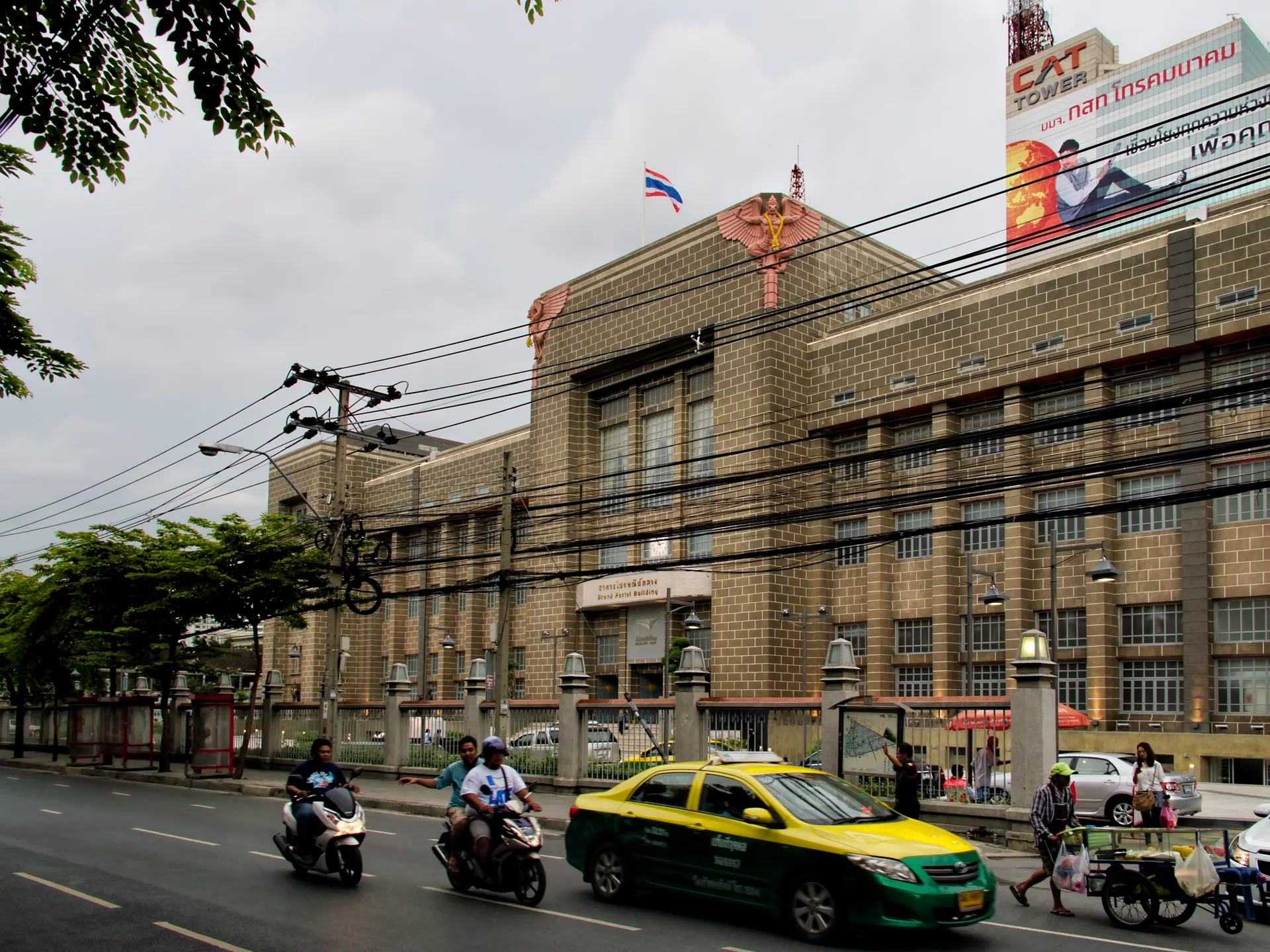
- The Grand Postal Building on Charoen Krung is the district’s anchor and its most reliable orientation point. Measure from it.
- Check which side of the road
- Sois running west go toward the river; sois running east climb toward Silom. The two directions give completely different stays.
- Do not rely on "riverside"
- It is a hospitality label covering both banks and several kilometres. It is not a location.
What it is actually like to stay here
It is quieter than Silom and considerably less arranged for visitors than the riverside hotel strip. The area is a working one: printers, metalworkers and small businesses have been on these streets far longer than the galleries have, and they keep ordinary working hours and make ordinary working noise.
The upside is that the district does not empty out or perform for anyone. The downside is that it does not run on a visitor timetable — some of what you have come to see keeps limited hours, closes one day a week, or opens by appointment only.
- Strong fit for design, architecture and food travellers who want to walk.
- Strong fit for repeat visitors who have already done the major sights.
- Weak fit for a first, short, monument-focused trip — the historic core is upriver.
- Weak fit if you want a mall, a large hotel pool scene, or nightlife on the doorstep.
Sources and fact review
Every claim below is traceable to a named source. Items marked volatile — opening hours, fares, routes and exhibition schedules — change without notice and are rechecked before publication rather than presented as permanent.
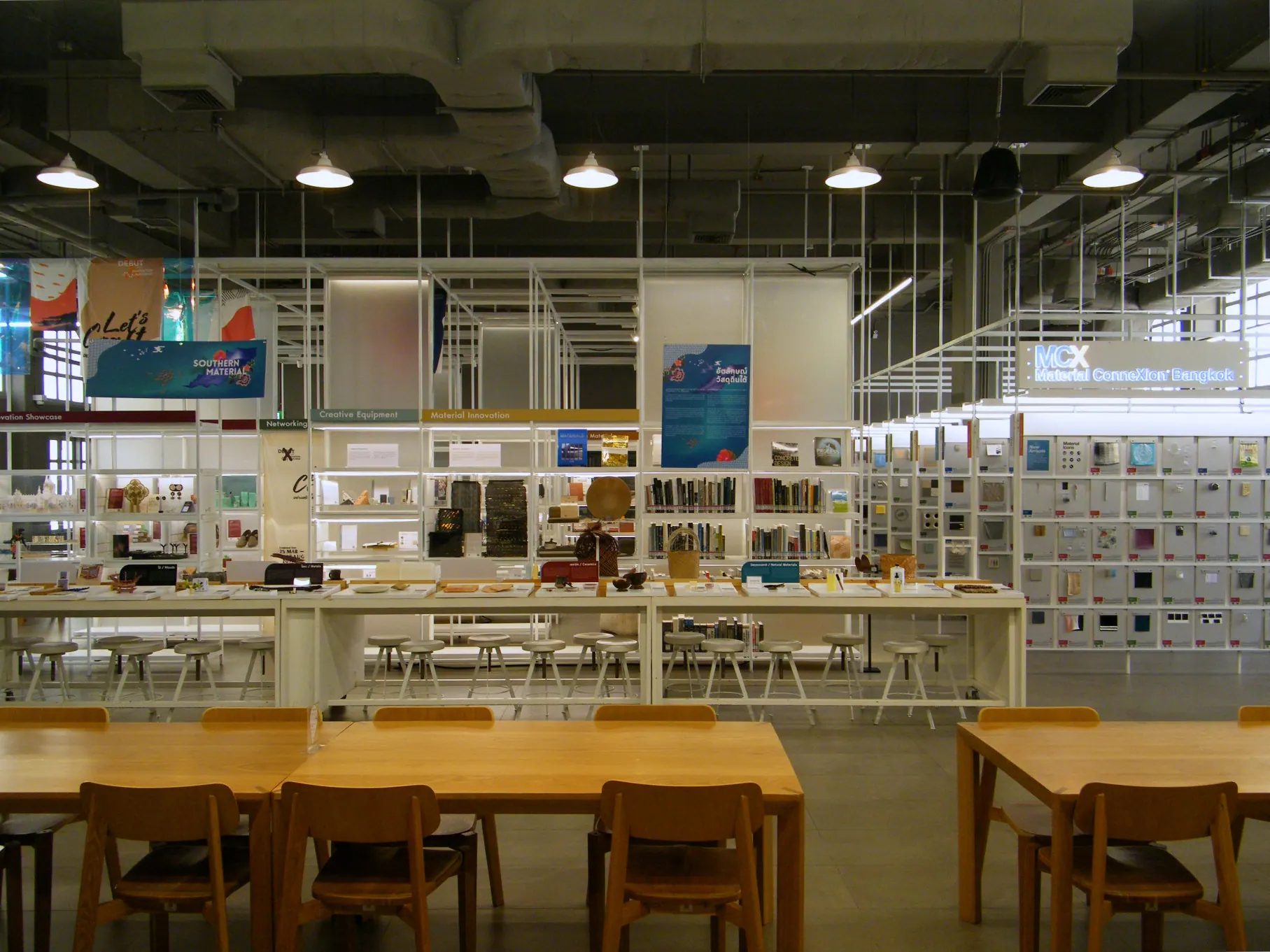
Charoen Krung is a 150-year-old road and an old riverside neighbourhood, historically known for Chinese and Muslim street food and hotels, now known as a "Creative District"; the Thailand Creative & Design Centre relocated its headquarters to the Grand Postal Building there; art spaces lie within about a kilometre of it, including Serindia Gallery (Soi 36), Warehouse 30 (Soi 30), Most Gallery (Soi 28), Speedy Grandma and the Soy Sauce Factory (Soi 24).